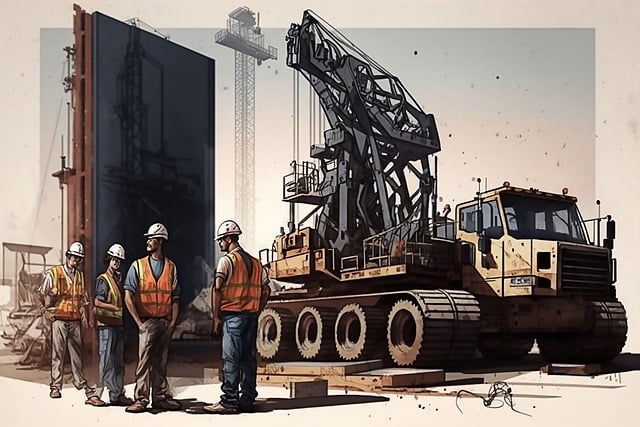
Exploring the landscape of modern construction, a myriad of specialized machinery plays a pivotal role in shaping our built environment. From the foundation to the finishing touches, this article delves into the array of construction equipment utilized throughout the process, detailing their functions and the associated costs. We’ll examine the factors influencing the acquisition and upkeep of these tools, offering insights into the economic considerations of the construction industry. Join us as we navigate the world of construction equipment and its significant impact on the sector.
- An Overview of Essential Construction Equipment and Their Uses
- Breakdown of Costs for Common Construction Machinery
- Factors Influencing the Purchase and Maintenance of Construction Equipment
An Overview of Essential Construction Equipment and Their Uses
In the realm of construction, a diverse array of machinery and equipment are integral to the success of any project. These mechanical workhorses enhance productivity, precision, and safety on-site. Key pieces of construction equipment include bulldozers, which are used for leveling land and moving large quantities of earth; excavators, which are essential for digging foundations, trenches, and lifting heavy materials; and cranes, which are indispensable for lifting, positioning, and securing various components during the building process. These machines not only facilitate the construction phase but also play a crucial role in demolition work, where they recycle materials efficiently. The cost of this equipment varies widely depending on factors such as size, capacity, brand, and condition. For instance, a basic excavator can range from $30,000 to over $100,000 for a more advanced model. Similarly, cranes can start from approximately $50,000 for small models to millions of dollars for heavy-lift cranes with superior specifications. The investment in such equipment is significant but necessary for the efficient completion of construction projects across various sectors, including residential, commercial, and infrastructure.
Advancements in technology have led to the development of more sophisticated and fuel-efficient machines, which not only reduce operational costs but also lower the environmental impact of construction activities. Modern construction equipment like 3D grading machinery offers precise leveling and grading for sites, ensuring compliance with architectural plans. Telehandlers and aerial work platforms provide safe access to high places, reducing the risk of accidents. Additionally, GPS technology has been integrated into heavy machinery, allowing for more accurate placement of materials and components, which contributes to the overall quality of construction. The cost of these advanced features is often justified by the efficiency gains and long-term savings they offer. It’s crucial for construction firms to assess their budget and project requirements carefully when considering the acquisition of new equipment, as the right machines can significantly enhance productivity and profitability in the competitive construction industry.
Breakdown of Costs for Common Construction Machinery
When budgeting for a construction project, understanding the construction equipment costs is crucial for financial planning and resource allocation. The expense of construction equipment encompasses a wide range of factors, including the type of machinery, its size, capacity, and the duration of its usage. Fixed costs such as depreciation, insurance, maintenance, and storage must be factored in alongside variable costs like fuel, lubricants, and operator wages. Common machinery like bulldozers, excavators, and cranes are significant investments, with their costs varying based on the model and brand. For instance, a basic skid steer loader might cost anywhere from $10,000 to $35,000 or more for top-of-the-line models. Similarly, excavators can range from approximately $25,000 for smaller machines to over $100,000 for heavy-duty models with advanced features. These costs are influenced by the construction industry’s demand and supply dynamics, technological advancements, and the equipment’s condition—new, used, or refurbished. It’s also important to consider rental options for certain machinery, which can offer cost savings over ownership, especially for projects where a particular piece of equipment might only be needed for a limited time. In any case, accurate forecasting of construction equipment costs is essential for successful project management and profitable operations within the construction sector.
Factors Influencing the Purchase and Maintenance of Construction Equipment
In the realm of construction, the selection and maintenance of equipment are pivotal to project efficiency and profitability. The purchase of construction equipment is influenced by a myriad of factors, including the nature of the projects undertaken, the terrain on which construction occurs, and regulatory compliance. For instance, jobs that involve heavy excavation will necessitate excavators and bulldozers with robust capabilities. Similarly, urban projects may require compact machinery to navigate limited spaces without compromising on performance. Cost considerations are also paramount; construction equipment costs encompass not only the initial investment but also operational expenses such as fuel, maintenance, repairs, and depreciation. These costs vary depending on the equipment’s size, complexity, and technology level. Advanced features like GPS navigation or energy-efficient engines can offer long-term savings through increased precision and reduced fuel consumption. Moreover, the durability of the machinery impacts its lifespan and resale value, which are critical to the financial planning of construction firms. Regular maintenance is essential to ensure that equipment operates at peak efficiency, minimizing downtime and extending its operational life. This involves routine inspections, timely servicing, and adherence to manufacturer guidelines. By investing in preventive maintenance, construction companies can avoid costly repairs and unplanned outages that could disrupt project timelines and increase overall costs. In the dynamic field of construction, staying abreast of technological advancements and adopting innovative solutions for equipment purchase and maintenance is key to maintaining a competitive edge. This not only ensures optimal performance but also aligns with the industry’s evolving best practices and cost-efficiency imperatives.
In conclusion, the landscape of modern construction is deeply intertwined with the efficacy and application of various construction equipment. From the initial planning stages to the final touches, this machinery facilitates every phase of building projects, enhancing efficiency, safety, and precision. Understanding the costs involved in acquiring and maintaining these assets is crucial for successful project management and financial planning within the construction industry. Factors such as the scale of the project, the terrain, and the intended use of the equipment play significant roles in determining the optimal selection for any given task. As such, stakeholders are advised to conduct thorough research and consider expert advice when investing in this critical infrastructure. With the right equipment and knowledge, the construction sector continues to evolve, paving the way for innovative solutions and sustainable practices.