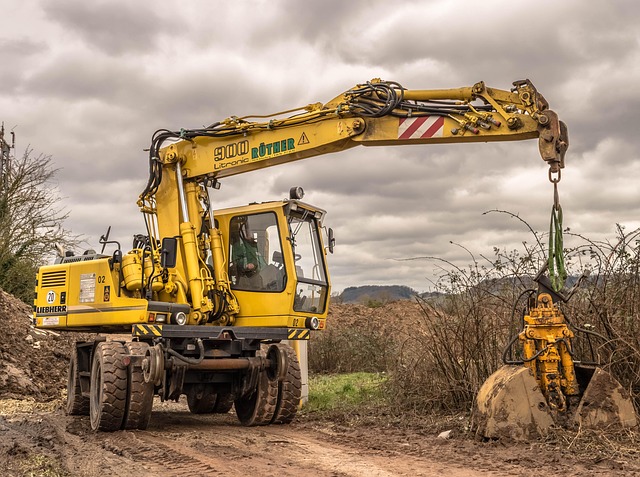
Heavy equipment, including bulldozers and cranes, is vital across construction, mining, forestry, and agriculture. Technological advancements like GPS navigation and advanced hydraulics improve efficiency while safety remains paramount. Safe Operating Practices (SOPs) involving operator training, maintenance checks, and clear communication reduce accidents. Holistic safety measures include signaling systems, PPE, strategic planning, and regular maintenance. Advanced technology offers insights for better scheduling and fuel management, enhancing productivity while prioritizing worker well-being in industrial settings.
“Unleash the potential of heavy equipment with our comprehensive guide. From understanding the fundamentals to mastering safe operating practices, this article equips readers with essential knowledge. Discover how to navigate the world of heavy machinery efficiently, avoiding common pitfalls and maximizing productivity. Whether you’re a seasoned operator or a novice, these insights offer practical tips and tricks to optimize your experience with heavy equipment, ensuring safety and effectiveness on every job site.”
- Understanding Heavy Equipment: A Comprehensive Overview
- Safe Operating Practices for Heavy Machinery
- Maximizing Efficiency: Tips and Tricks for Heavy Equipment Usage
Understanding Heavy Equipment: A Comprehensive Overview

Heavy equipment refers to a diverse range of machinery designed for construction, mining, forestry, and agricultural tasks. These powerful tools are essential for executing large-scale projects that require significant physical force and precision. Understanding heavy equipment involves grasping the various types, their functions, and the critical roles they play across industries.
From bulldozers that can move massive amounts of earth to cranes that lift heavy objects with remarkable stability, each piece of heavy equipment is tailored for specific jobs. This machinery not only enhances productivity but also ensures safety by automating potentially hazardous tasks. As technology advances, heavy equipment becomes increasingly sophisticated, incorporating features like GPS navigation, advanced hydraulics, and operator-friendly interfaces to streamline operations and enhance efficiency.
Safe Operating Practices for Heavy Machinery

Operating heavy machinery safely is paramount in any industrial setting, ensuring the well-being of workers and preventing accidents. It’s crucial to implement and adhere to strict Safe Operating Practices (SOPs) for these powerful machines, commonly referred to as heavy equipment. One key practice is comprehensive training; operators must be skilled and knowledgeable about the specific machinery, including its controls, functions, and potential hazards. Regular maintenance checks are equally vital; identifying and rectifying issues before they escalate can prevent catastrophic failures.
Additionally, establishing clear communication protocols is essential when multiple teams or individuals operate nearby. Well-defined signaling systems and safe working distances must be maintained to avoid collisions. Proper personal protective equipment (PPE) should always be worn, tailored to the specific machinery and its potential risks. In terms of heavy equipment, safety measures aren’t just about precautions; they’re a blend of rigorous training, meticulous maintenance, and mindful collaboration designed to keep operations running smoothly while safeguarding all involved.
Maximizing Efficiency: Tips and Tricks for Heavy Equipment Usage

Maximizing efficiency with heavy equipment involves a combination of skilled operation, regular maintenance, and strategic planning. Operators should prioritize safety protocols to prevent accidents and injuries. Regular inspections and prompt repairs for any wear or damage ensure optimal performance and longevity of the machinery. Utilizing advanced technology, such as GPS tracking and machine learning analytics, can provide valuable insights into usage patterns, allowing for better scheduling and fuel management.
When operating heavy equipment, it’s essential to follow a structured routine. This includes pre-operational checks, efficient routing planning, and minimizing downtime between tasks. Skilled operators should also stay updated with the latest safety guidelines and industry best practices. By adopting these tips, individuals can enhance productivity while ensuring safe and effective use of heavy equipment in various construction and industrial applications.
Heavy equipment plays a vital role in various industries, offering efficient solutions for significant tasks. By understanding its intricacies, implementing safe operating practices, and utilizing tips for optimal efficiency, operators can maximize productivity while minimizing risks. This comprehensive guide equips readers with the knowledge to navigate the world of heavy machinery, ensuring successful projects and enhancing overall safety.