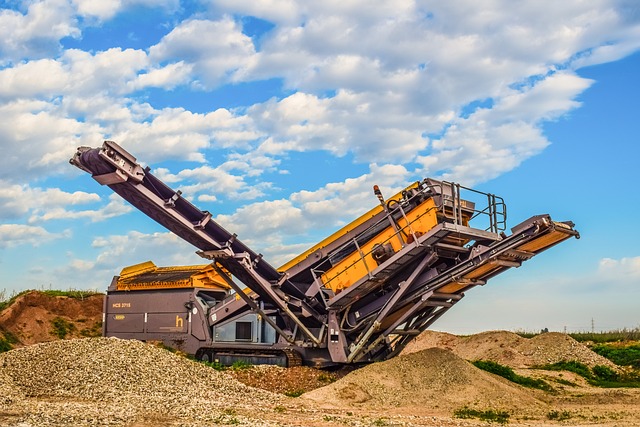
Heavy equipment, crucial across construction, mining, agriculture, and logistics sectors, requires meticulous appraisal. Key factors include age, condition, operational hours, brand/model specificity, market demand, optional features, structural integrity checks, engine performance assessments, remaining useful life evaluations, and digital documentation. Advanced technology enhances accuracy, ensuring fair valuations for buyers and sellers in the heavy equipment sector.
Heavy equipment plays a pivotal role in various industries, from construction to mining. However, accurately determining their value is essential for informed decision-making. This article delves into the intricate process of heavy equipment valuation, offering a comprehensive guide for professionals. We explore foundational knowledge, key factors influencing value, and advanced methods using cutting-edge tools. By understanding these aspects, you’ll gain insights to accurately assess and appraise heavy machinery in today’s dynamic market.
- Understanding Heavy Equipment: A Foundation for Valuation
- Key Factors in Determining Heavy Equipment Value
- Methods and Tools for Accurate Heavy Equipment Appraisal
Understanding Heavy Equipment: A Foundation for Valuation

Heavy equipment plays a pivotal role in various industries, from construction and mining to agriculture and logistics. These machines are designed for specific tasks, such as excavating soil, lifting heavy loads, or transporting materials over long distances. Understanding the intricacies of heavy equipment is fundamental when determining their value.
Valuation involves assessing factors like the machine’s make, model, age, operational history, maintenance records, and current market demand. Each piece of heavy equipment has unique features that influence its worth. For instance, a well-maintained, late-model excavator may command a higher price than an older, less-cared-for model. Therefore, a thorough knowledge of the specific equipment, its condition, and the prevailing market trends is essential for accurate valuation.
Key Factors in Determining Heavy Equipment Value

When assessing the value of heavy equipment, several key factors come into play. First and foremost, the age and condition of the machinery are paramount. Older equipment often depreciates faster, but its value can be enhanced if it has been well-maintained and serviced regularly. The hours worked on a piece of heavy equipment also significantly impact its worth; machines with lower operational hours are generally more valuable.
Another critical aspect is brand and model specificity. Certain brands hold higher resale value due to their reputation for durability and reliability. Additionally, specialized or unique models catering to specific industries can command premium prices. Market demand plays a significant role as well; if there’s a high demand for a particular piece of heavy equipment, its value will tend to increase. Lastly, optional features and attachments can either add or subtract from the overall value, depending on their condition and relevance to the intended use.
Methods and Tools for Accurate Heavy Equipment Appraisal

Accurately appraising heavy equipment is a complex task that requires precise methods and tools. One effective approach involves comprehensive inspections, where qualified professionals meticulously examine the machinery’s structural integrity, engine performance, and overall operational condition. This process includes checking for signs of wear and tear, identifying any necessary repairs or replacements, and assessing the remaining useful life of the equipment.
Advanced technology also plays a pivotal role in heavy equipment appraisal. Computerized assessment tools can analyze data from various sensors installed on the machinery, providing valuable insights into its performance metrics. Additionally, digital documentation and detailed maintenance records are essential for tracking service history and ensuring accurate valuations. These methods collectively help in determining the true market value of heavy equipment, making it a reliable reference point for buyers and sellers in this sector.
In understanding and determining the value of heavy equipment, a comprehensive approach is essential. By combining foundational knowledge with key valuation factors and leveraging accurate appraisal methods, professionals can ensure fair assessments. This process, powered by advanced tools, enables informed decisions in the dynamic world of heavy equipment, catering to both buyers and sellers alike.