Exploring the multifaceted world of construction equipment, this article delves into the diverse array of machinery pivotal to modern infrastructure and development projects. From excavators to bulldozers, each type serves a distinct function, shaping the landscape of construction. We'll examine their roles, analyze the financial considerations behind their acquisition, and illustrate their real-world applications through case studies. Join us as we dissect the complexities and significance of construction equipment in the industry. Construction professionals and enthusiasts will find valuable insights into the types, functions, and costs associated with these indispensable tools of progress.
- An Overview of Construction Equipment Types and Functions
- Cost Analysis: Understanding the Financial Implications of Different Heavy Equipment
- Case Studies: Real-World Applications of Heavy Construction Equipment
An Overview of Construction Equipment Types and Functions
Construction equipment plays a pivotal role in modern construction projects, enhancing efficiency and productivity across various stages of building and infrastructure development. From earthmoving to lifting, compaction to finishing, each piece of machinery serves distinct functions that contribute to the completion of a project. Bulldozers, for instance, are essential for leveling land or moving large amounts of earth and debris, making them indispensable in site preparation. Excavators, another cornerstone in construction equipment, are adept at digging trenches, foundations, and even lifting heavy materials, thus playing a critical role in tasks that require precision and power. Graders, on the other hand, are responsible for creating level surfaces, which is crucial for the stability and integrity of buildings and roads. The costs of these machines can vary widely depending on factors such as brand, model, size, and intended use, with some smaller equipment costing less than a few thousand dollars to larger, more specialized machinery that may exceed several hundred thousand dollars.
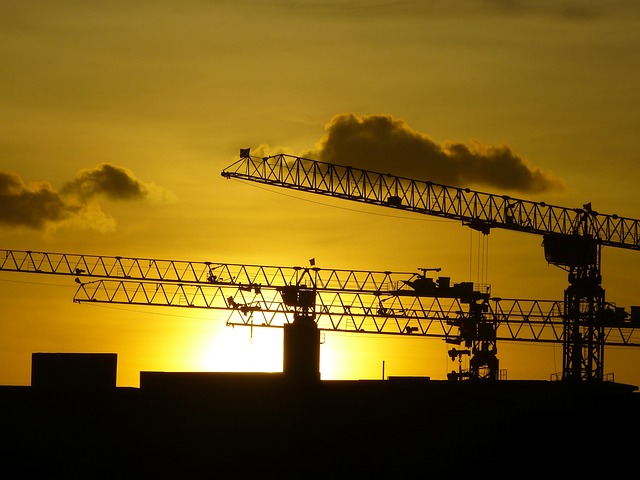
In addition to the foundational equipment like bulldozers and excavators, construction sites also utilize cranes, wheel loaders, and pavers. Cranes, particularly tower and mobile cranes, are vital for lifting heavy materials into place or for performing tasks that require elevation. Wheel loaders efficiently gather, transport, and pile up material such as sand, gravel, or soil, which is a key operation in construction sites. Pavers, on the other hand, compact and layer materials to create solid, even surfaces for roadways and foundations, ensuring the longevity of the constructed infrastructure. These machines are not only integral to the physical aspects of construction but also to maintaining safety and quality standards on-site. The investment in such equipment is justified by the long-term benefits they provide, including time savings, reduced manual labor, and improved project outcomes.
Cost Analysis: Understanding the Financial Implications of Different Heavy Equipment
When considering the acquisition of construction equipment, understanding the financial implications is paramount. The costs associated with heavy machinery can vary widely based on factors such as make, model, and condition. Newer models often come with advanced features and higher price tags, while used equipment can offer significant savings but may require more frequent maintenance to ensure optimal performance. Construction equipment costs are influenced by the scale of the construction project at hand; for instance, smaller projects might suffice with compact machinery like skid steers or mini excavators, whereas larger projects necessitate heavy-duty equipment such as bulldozers or cranes. The decision to buy or rent also plays a crucial role in budget management. Owning equipment can be economical over time if the machine sees consistent use across multiple projects, but for sporadic needs, renting might prove to be the more cost-effective option.
Cost analysis requires a deep dive into the total cost of ownership, which includes initial purchase or rental costs, operational expenses, and maintenance fees. Does the equipment align with the project's scope and budget? How often will the machine be utilized? What are the long-term maintenance costs? Answering these questions is essential for accurate financial planning in the construction industry. For example, the initial purchase price of a backhoe might be substantial, but if it significantly reduces the time required to complete a task, the investment could pay off quickly. Similarly, while the rental cost for a motor grader might seem lower upfront, if the project timeline extends beyond the rental period, owning the equipment could be more beneficial in the long run. Understanding these nuances is key to making informed decisions regarding construction equipment costs and ensuring that your financial strategy aligns with the operational demands of the construction sector.
Case Studies: Real-World Applications of Heavy Construction Equipment
In the realm of heavy construction, various types of equipment play pivotal roles in transforming raw land into functional infrastructure. For instance, the excavation and preparation of sites for new buildings often involve bulldozers, which are versatile machines capable of moving large amounts of earth and shaping landscapes. The cost of these bulldozers can range significantly based on size, model, and purpose-built features, with prices starting from tens of thousands to well over a million dollars. Another key player in construction sites is the crane, essential for lifting heavy materials into place. Telescopic cranes, for example, can reach impressive heights, facilitating the erection of steel frameworks that will support high-rise buildings. The investment in such cranes varies, with smaller units costing less than a few hundred thousand dollars, while larger and more capable models can exceed several million. These machines are not mere construction equipment; they are the backbone of modern infrastructure development, enabling projects to progress efficiently and safely.
Furthermore, the use of heavy construction equipment is not confined to urban development alone. In rural areas, these machines are often repurposed for agricultural endeavors or environmental projects, such as creating new waterways or restoring damaged ecosystems. For example, motor graders are instrumental in leveling land for crop cultivation, and their costs reflect the versatility and durability required for such tasks. Similarly, articulated dump trucks are indispensable for transporting material across varied terrains, ensuring that construction equipment costs are justified by their long-term utility and efficiency in diverse applications. The real-world applications of heavy construction equipment are as vast as the industries they serve, from laying the foundations of our cities to preserving the health of our environment.
In conclusion, the realm of construction is vastly shaped by the diverse range of heavy equipment available, each serving distinct functions that are crucial to project success. From excavators and bulldozers to pavers and cranes, understanding the different types of construction equipment and their associated costs is essential for effective resource allocation and financial planning in the industry. The case studies presented highlight the real-world applications and benefits of these machines, underscoring their significance in various construction scenarios. By carefully analyzing the costs involved and selecting the appropriate equipment for each task, construction professionals can optimize efficiency and productivity while ensuring project objectives are met within budget constraints. The synergy between equipment choice and cost management is a testament to the dynamic nature of the construction industry, where innovation and practicality go hand in hand to shape the infrastructure of our modern world.