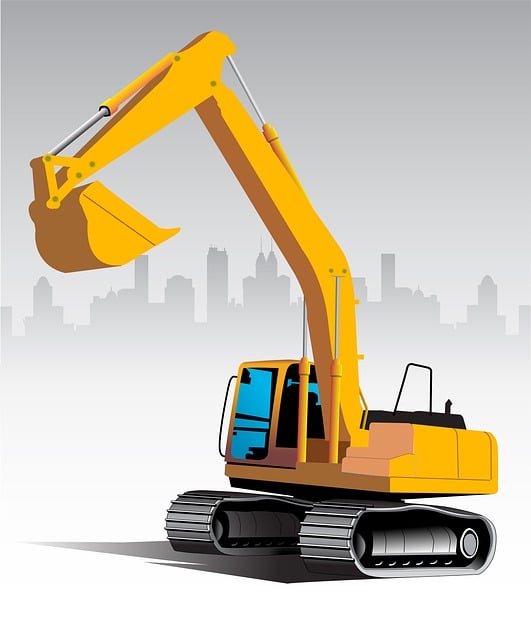
Exploring the vast landscape of modern construction, a symphony of machinery and human expertise orchestrates the building of structures that shape our skylines and underpin our daily lives. This article delves into the essential roles and advancements of construction equipment, from excavators to bulldozers, cranes to pavers, and beyond. We'll examine their functions, the economic implications of their deployment, and how these modern marvels have revolutionized the industry, ensuring projects are completed with precision, efficiency, and safety in mind. Join us as we navigate through the evolving world of construction equipment costs and the impact of technological advancements on today's construction projects.
- Overview of Key Construction Equipment and Their Uses
- Analyzing Construction Equipment Costs: Factors and Examples
- The Evolution and Impact of Construction Machinery on Modern Projects
Overview of Key Construction Equipment and Their Uses
Construction equipment plays a pivotal role in modern construction projects, enhancing efficiency, safety, and precision on site. From excavators to bulldozers, each piece of machinery serves a unique function that is critical to the progression and success of construction endeavors. For instance, an excavator's versatility allows it to be used for digging foundations, trenching for utilities, or even demolishing structures. The costs associated with this equipment can vary significantly based on factors such as size, model, and brand; however, they are a necessary investment for any construction project due to their durability and the labor-saving benefits they provide.
Bulldozers, another staple in the construction industry, are essential for leveling large areas of land, moving soil, or creating embankments. Their blades can slice through terrain with ease, preparing sites for building. Cranes, on the other hand, are indispensable when it comes to lifting and positioning heavy materials such as steel beams or precast concrete components. The costs of these cranes can range from tens of thousands to millions of dollars, depending on their capacity and reach. These investments are justified by the speed they bring to the construction process and the reduction in manual labor required, which translates to cost savings over time.
Analyzing Construction Equipment Costs: Factors and Examples
When evaluating construction equipment costs, several factors come into play. The type of machinery required for a specific construction project can significantly influence the overall budget. Factors such as the size of the project, terrain conditions, and the scope of work all affect the choice of equipment. For instance, a small residential project might only necessitate excavators, bulldozers, and compact loaders, which are relatively less expensive compared to specialized or larger equipment like cranes or paving machines required for large-scale commercial or infrastructure projects. Additionally, the cost of renting versus purchasing new or used equipment must be considered. Rental costs vary based on the duration of the rental, the type of machinery, and its market demand.
Ownership costs extend beyond the initial purchase price. They include maintenance, repair, fuel, insurance, storage, and depreciation. A bulldozer, for example, might have a high upfront cost but could be a wise investment if it aligns with the recurring needs of a construction firm over time. On the other hand, renting might be more cost-effective for sporadic or short-term projects. It's also crucial to consider the availability of parts and service networks for the equipment you choose, as this can impact both operational efficiency and long-term reliability. The choice between new and used construction equipment also hinges on the balance between performance requirements and budgetary constraints. New equipment offers the latest technology and typically comes with a warranty but at a higher cost. Used equipment can be more affordable but may require additional due diligence to assess its condition and remaining lifespan.
The Evolution and Impact of Construction Machinery on Modern Projects
The landscape of modern construction has been profoundly shaped by advancements in construction equipment, which have evolved significantly over the past century. These machines, initially rudimentary and powered by manual labor or basic engines, have grown into sophisticated pieces of technology that are integral to the efficiency and success of construction projects today. The introduction of electric and diesel-powered machinery, for instance, replaced manual tools like shovels and hammers, drastically reducing the physical toll on workers and increasing productivity. As these machines became more advanced, with capabilities such as GPS navigation and remote control features, they have further streamlined construction processes, allowing for precision work and complex project execution that would have been impossible decades ago. The cost of this equipment reflects its complexity and utility; while smaller, manual versions of certain tools remain affordable, large-scale machinery like cranes and bulldozers can be quite expensive, often running into hundreds of thousands or even millions of dollars. This significant investment is justified by the reduction in labor costs, increased project speed, and the ability to undertake projects that push the boundaries of traditional construction methods.
The impact of these advanced construction machines on modern projects cannot be overstated. They have enabled the completion of ambitious architectural feats, such as towering skyscrapers and sprawling infrastructure developments, with greater accuracy and in shorter timeframes than ever before. The precision engineering of equipment like laser screeds for concrete laying or total stations for surveying has led to structures that are not only larger but also more stable and safer for occupants. Moreover, the environmental impact of construction has been mitigated through the introduction of eco-friendly machinery designed to reduce emissions and waste. The continuous evolution of construction equipment promises to further innovate the field, with emerging technologies like autonomous vehicles and 3D printing poised to redefine what is possible in the realm of construction. The costs associated with these advancements are a testament to the industry's commitment to progress and sustainability, ensuring that construction continues to be a dynamic and forward-thinking sector.
In conclusion, the landscape of modern construction is markedly shaped by the diverse range of equipment that facilitates efficient, safe, and cost-effective project execution. From excavators to bulldozers, cranes to pavers, each piece of construction equipment serves a unique purpose, driving progress in this dynamic field. Understanding the costs associated with these machines, as detailed in the analysis of construction equipment expenses, is crucial for project planning and financial management. The evolution of construction machinery has undoubtedly left an indelible impact on how projects are executed today, streamlining operations and ensuring that the industry continues to advance with each passing year. As such, stakeholders in the construction sector must stay informed about the latest developments in equipment technology and associated economic factors to maintain a competitive edge and deliver quality outcomes.