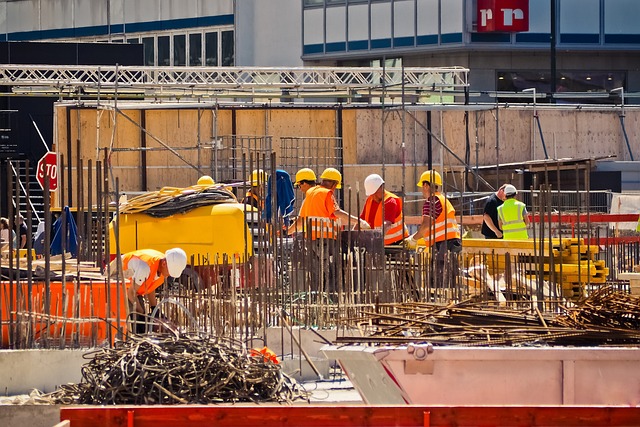
Exploring the potential of fresh-cut pine timbers in contemporary construction presents a fascinating intersection of sustainability and innovation. This article delves into the feasibility, economic implications, and technical nuances of integrating this natural material into modern building projects. By evaluating the role of construction equipment and its associated costs, we'll assess how fresh-cut pine timbers can be a viable alternative to traditional construction materials. Join us as we examine the unique advantages and challenges in the evolving landscape of construction technology and practices.
- Assessing the Feasibility of Fresh-Cut Pine Timbers in Modern Construction Projects
- Cost Analysis: Weighing the Economics of Using Fresh-Cut Pine Timbers Against Traditional Construction Equipment
- Technical Considerations and the Role of Advanced Construction Equipment in Utilizing Fresh-Cut Pine Timbers in Building Infrastructure
Assessing the Feasibility of Fresh-Cut Pine Timbers in Modern Construction Projects
When evaluating the feasibility of incorporating fresh-cut pine timbers into modern construction projects, it's crucial to consider the advancements in construction equipment and their costs. Today's construction sites rely heavily on specialized machinery to handle a variety of materials efficiently. Are construction equipment costs associated with cutting and transporting fresh pine timbers economically viable for builders? The answer hinges on several factors, including the availability of suitable machinery and the specific requirements of the construction project at hand. Modern sawmills equipped with circular saws, band saws, or chaining saws can efficiently cut fresh pine timbers to precise dimensions. These machines not only reduce waste but also increase the speed of processing, making them a valuable asset on a construction site. The integration of these timbers into structural designs requires careful planning and coordination with engineers who can ensure that the load-bearing capacities are met without compromising the structural integrity of the building. Moreover, the cost of transportation for fresh pine timbers must be weighed against the potential benefits of using this sustainable material, which includes a lower carbon footprint compared to other construction materials. The choice to use fresh-cut pine timbers in construction is not solely dependent on equipment costs but also on the environmental impact, availability, and the project's design parameters. Builders must assess these elements to determine if fresh pine timbers are a practical and cost-effective solution for their construction needs.
Cost Analysis: Weighing the Economics of Using Fresh-Cut Pine Timbers Against Traditional Construction Equipment
When evaluating the use of fresh-cut pine timbers in construction projects, a critical aspect to consider is the economic comparison with traditional construction equipment. The initial investment for fresh-cut pine timbers might seem lower compared to the robust machinery required for construction equipment, but a comprehensive cost analysis is necessary to fully understand the implications. For instance, how do the upfront costs of purchasing or renting construction equipment compare with the material costs associated with pine timbers? Construction equipment costs can be substantial, encompassing not only the initial purchase or lease but also maintenance and operational expenses. On the other hand, while pine timbers may appear to have lower upfront material costs, factors such as treatment, transportation, and longevity in use must be factored into the equation. Do the savings on equipment offset potential long-term maintenance and upkeep costs? Or, considering the durability of the pine timbers in various climates, will they prove to be a more economical choice over time? These are questions that any cost analysis must address to determine which option is truly more financially prudent for a construction project. It's evident that while fresh-cut pine timbers offer an alternative material solution with its own set of costs and benefits, a detailed examination of both the short-term and long-term financial implications is essential when making informed decisions for construction projects.
Technical Considerations and the Role of Advanced Construction Equipment in Utilizing Fresh-Cut Pine Timbers in Building Infrastructure
When considering the utilization of fresh-cut pine timbers in construction, it's crucial to examine the technical specifications and the role advanced construction equipment plays in this process. Fresh-cut pine, known for its durability and workability, presents unique challenges and opportunities within the scope of modern building practices. The natural resinous properties of pine can affect moisture content and dimensional stability over time; thus, it's imperative to understand how these factors influence the performance of pine timbers in structural applications.
The integration of fresh-cut pine into construction projects necessitates precision machinery capable of handling the timber's characteristics effectively. Construction equipment such as planers, saws, and nail guns specifically designed for green wood can minimize waste and ensure optimal fit and finish. The cost of this specialized construction equipment varies depending on the complexity of the machinery; however, the investment is justified by the enhanced efficiency and quality it delivers. The choice between purchasing or renting such equipment must be evaluated based on the scope of the project, availability of skilled operators, and budget constraints. Additionally, proper maintenance and calibration of these machines are essential to prevent damage to the timber and to ensure a long lifespan for the equipment itself.
In conclusion, the integration of fresh-cut pine timbers in modern construction offers a sustainable and cost-effective alternative within the construction sector. The technical feasibility of utilizing these natural materials, supported by the right construction equipment, presents an opportunity to reduce environmental impact while maintaining structural integrity. A thorough cost analysis reveals that, despite initial investment considerations, the use of fresh-cut pine timbers, in conjunction with strategic deployment of construction equipment, can lead to significant savings over time. As the industry evolves, adopting such eco-friendly practices not only aligns with contemporary sustainability goals but also positions builders at the forefront of innovation and cost efficiency in construction.