Considering a venture into the construction sector? An insightful guide awaits on initiating a construction equipment rental business. This article meticulously explores the essentials of market analysis, financial planning, and fleet management, ensuring you're well-equipped to enter this profitable domain. From grasping construction equipment costs to strategically building your inventory, each section provides actionable insights to lay a solid foundation for your enterprise. Embark on this journey with confidence, as we delve into the practicalities of establishing a thriving rental business in the construction industry.
- Laying the Foundation: Understanding the Market for Construction Equipment Rental
- Budgeting and Financing Your Construction Equipment Rental Business
- Expanding Your Fleet: Sourcing and Managing Your Construction Equipment Inventory
Laying the Foundation: Understanding the Market for Construction Equipment Rental
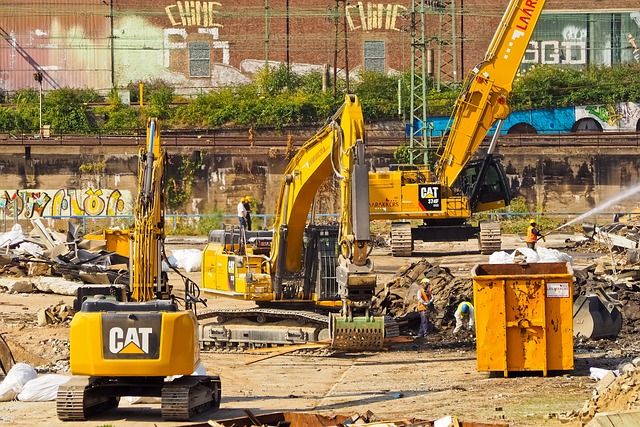
When considering the entry into the construction equipment rental market, it's crucial to conduct thorough research on the demand for such services within the local construction sector. Understanding the types of construction equipment in high demand, such as excavators, bulldozers, and cranes, is essential. These pieces of machinery come with varying costs depending on their size, functionality, and condition; however, they are indispensable tools for most construction projects. For instance, a well-maintained excavator can be a valuable asset for a rental business catering to residential and commercial building contractors looking for efficient ways to execute their projects without the overhead of owning the equipment outright. To gauge the market potential, consider the scale of local construction projects and the prevalence of smaller contractors who might prefer renting rather than purchasing equipment. Are these contractors predominantly engaged in large-scale commercial projects, residential development, or infrastructure work? The types of equipment they require will differ accordingly, from compact machinery suitable for tight urban spaces to heavy-duty equipment for larger construction sites. Analyzing the local construction trends and the specific needs of your target market is a foundational step that will guide your business model and equipment procurement strategy.
Budgeting and Financing Your Construction Equipment Rental Business
When embarking on a construction equipment rental business, one of the critical steps is to meticulously plan your budget and secure financing. To effectively allocate funds, it's necessary to have a comprehensive understanding of the costs associated with construction equipment. What are the potential costs for purchasing or leasing equipment? You'll need to account for the initial purchase price, maintenance expenses, storage costs, insurance fees, and depreciation over time. These costs can vary widely depending on the type of machinery, its condition, and market demand. For instance, a compact excavator might cost anywhere from $15,000 to well over $70,000 new, with used models ranging from $10,000 to $40,000. How will you finance these expenses? Options for financing can include traditional bank loans, equipment financing companies, or even leveraging personal savings. It's also advisable to explore government grants or incentives available for the construction industry in your region, as these can alleviate some of the financial pressures. Establishing a solid financial foundation through careful budgeting and securing appropriate financing is a pivotal step towards launching and sustaining a successful construction equipment rental business within the competitive construction sector.
Expanding Your Fleet: Sourcing and Managing Your Construction Equipment Inventory
To effectively expand your fleet of construction equipment, it's crucial to source from reputable manufacturers and suppliers who can provide high-quality machinery that withstands the rigors of a job site. Consider the types of construction equipment costs associated with different machines; these vary widely based on the size, model, and functionality of the equipment. For instance, will you require heavy excavators, compact loaders, or perhaps both for optimal project versatility? Assessing the cost of acquisition, maintenance, and operation is essential to ensure a healthy profit margin and sustainable business model. Additionally, consider the demand for specific types of equipment in your local market; this can guide your purchasing decisions and help you avoid over-investing in underutilized machinery. How often will each piece of equipment be needed? The answer to this question will influence where you source your construction equipment from, as well as what types of contracts you pursue. It's important to balance the cost of acquiring new machines with the potential revenue they will generate. Keep in mind that the condition and age of the equipment can also affect costs; newer models may come with higher upfront prices but lower operational costs and better reliability. Are you considering refurbished or used equipment as a cost-effective alternative? This can be a smart move if managed properly, ensuring each piece of equipment is thoroughly inspected and meets safety standards before being added to your fleet. Managing your inventory involves not only the initial sourcing but also the ongoing maintenance and repairs required to keep the equipment operational. Regular servicing and timely repairs are key to minimizing downtime, which can significantly impact your business operations and profitability. What systems do you have in place for tracking maintenance schedules and repair history? Implementing a robust inventory management system will help you stay on top of these details and maintain an efficient, reliable fleet that meets the demands of construction projects in your region. How will you handle routine maintenance and emergency repairs to ensure your equipment is always ready for deployment? Establishing relationships with skilled mechanics and service providers can alleviate this burden and contribute to the longevity and performance of your machinery.
To successfully initiate a construction equipment rental business, one must first lay a solid foundation by thoroughly understanding the market demands and potential customer base. With this knowledge in hand, entrepreneurs can then strategically budget and finance their ventures, ensuring they allocate resources effectively to cover construction equipment costs without overextending. As the business grows, acquiring and managing a diverse fleet of construction equipment becomes paramount, requiring careful sourcing and maintenance to maintain reliability and customer satisfaction. By adhering to these key steps, individuals can build a robust and profitable construction equipment rental enterprise that stands the test of time in the ever-demanding industry of construction.