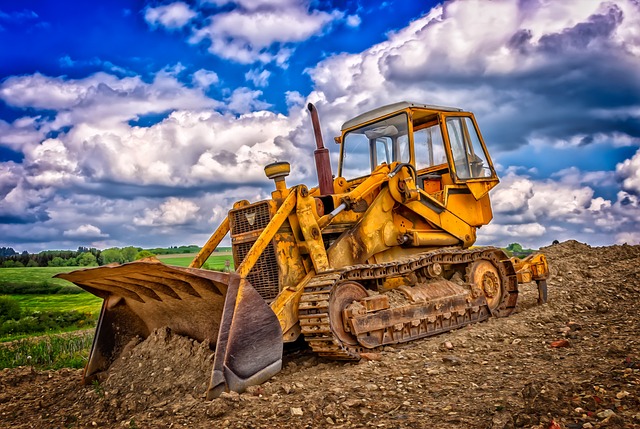
Navigating the secondary market for construction equipment requires strategic planning and knowledge of the current landscape. This article delves into the best platforms for selling your machinery, dissects construction equipment costs when selling, and provides actionable tips to maximize your return. Whether you're upgrading your fleet or exiting the industry, understanding where and how to sell construction equipment is key to achieving the best value for your assets within the dynamic world of construction.
- Navigating the Market: Best Platforms for Selling Construction Equipment
- Understanding Construction Equipment Costs When Selling
- Strategic Tips for Maximizing Your Return on Construction Equipment Sales
Navigating the Market: Best Platforms for Selling Construction Equipment
When it comes to selling construction equipment, understanding the market and utilizing the right platforms can significantly impact both the speed and the price at which your machinery moves. Sellers often grapple with questions about where to list their equipment for maximum exposure and fair valuation. The answer lies in a combination of online marketplaces and auctions that cater specifically to heavy machinery. Websites like EquipmentTrader, Ritchie Bros. Auctioneers, and IronPlanet provide robust platforms where sellers can list everything from excavators to bulldozers with detailed descriptions, including construction equipment costs, to attract potential buyers. These platforms not only host a wide array of listings but also offer tools that help in setting realistic prices based on market trends and the condition of the equipment. Buyers, on the other hand, can benefit from the extensive filters available to search for specific models or types of machinery, ensuring they find the construction equipment they need efficiently. Additionally, these platforms often feature user-friendly interfaces and comprehensive databases that make it easier for both parties to close deals securely. Whether you're looking to upgrade your fleet or liquidate surplus equipment, these marketplaces are invaluable resources for navigating the complex landscape of construction equipment sales.
Understanding Construction Equipment Costs When Selling
When considering the sale of construction equipment, understanding the associated costs is paramount for a successful transaction. The value of such machinery can be influenced by various factors, including its condition, age, brand, and market demand. To determine the construction equipment costs when selling, one must first assess the current market conditions and evaluate how these impact the resale value of the specific models in question. Are the models you're considering for sale in high demand? How does their condition compare to similar equipment currently on the market? These factors will significantly affect your pricing strategy and potential return on investment.
Moreover, the costs extend beyond the initial purchase price; they encompass maintenance history, operational hours, and any necessary refurbishing or repairs. It's crucial to have a clear understanding of these costs to ensure that the asking price not only covers the initial investment but also accounts for ongoing expenses. Have you kept detailed records of all maintenance performed and repairs made? How do these records influence the current market value of your equipment? By meticulously documenting and considering these factors, sellers can set a realistic price that reflects both the quality of their equipment and the reality of the construction market. This transparency not only facilitates a smoother sales process but also builds trust with potential buyers.
Strategic Tips for Maximizing Your Return on Construction Equipment Sales
When looking to maximize your return on construction equipment sales, it's crucial to consider the current market demand and the condition of your equipment. Well-maintained, in-demand machinery can fetch higher prices. To determine the optimal time to sell, assess the cycle of construction activity in your region; selling during a boom can yield better returns. Who are your potential buyers? Understanding your target audience will guide you on where to list your equipment—be it online marketplaces, auctions, or direct sales to contractors. The cost of construction equipment can be significant, and depreciation over time affects its resale value. To ensure you get the best price, compare your equipment's specifications and hours of use with similar models currently listed for sale. How much can you recoup from your initial investment? Consider factors like the model year, usage patterns, and any attachments or accessories that may enhance its appeal to buyers. By carefully analyzing these aspects, you can strategically position your equipment in the market to attract serious buyers and achieve a satisfactory return on your investment.
When parting with construction equipment, sellers must carefully consider their options and strategize to maximize returns. This article has outlined key platforms for selling such machinery, delved into the costs associated with it, and provided actionable tips to enhance sale values. By understanding the market dynamics and leveraging the right channels, construction professionals can make informed decisions on where to sell their equipment, ensuring they receive a fair price that reflects its condition and market demand. Whether through online marketplaces or direct sales, the goal remains clear: to optimize the return on investment for this significant capital asset within the construction sector.