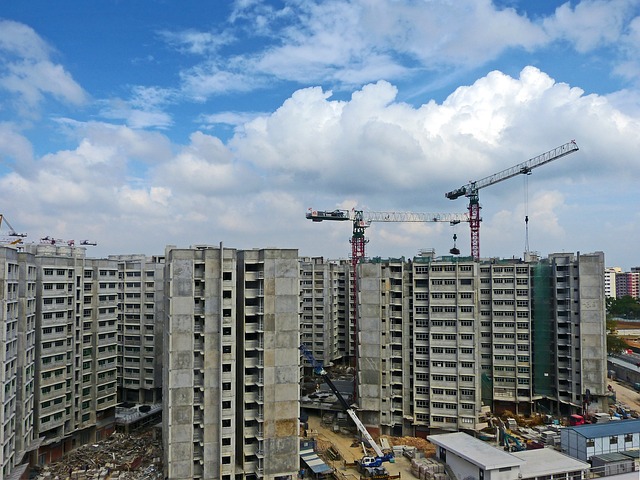
Construction sites are dynamic environments, where heavy construction equipment plays a pivotal role in shaping landscapes and building structures. This article delves into the intricacies of heavy construction equipment, elucidating its diverse functions within modern construction projects. From the cost implications that influence project budgets to the specific types of machinery and their roles on site, readers will gain a comprehensive understanding of this essential toolset in the construction industry. Join us as we explore the impact and economics of heavy construction equipment costs, ensuring your next venture is well-informed and cost-effective.
- Understanding Heavy Construction Equipment: A Comprehensive Guide
- The Cost Factors and Economics of Heavy Construction Equipment
- Key Types and Functions of Heavy Construction Machinery in Modern Construction Projects
Understanding Heavy Construction Equipment: A Comprehensive Guide
Heavy construction equipment encompasses a wide array of machinery specifically designed to execute tasks involving lifting, excavating, compacting, and moving materials on construction sites. These machines play a critical role in the construction industry, facilitating projects that range from building residential homes to constructing large-scale infrastructure like roads, bridges, and skyscrapers.
The equipment includes a variety of machines such as excavators, bulldozers, cranes, pavers, and compaction equipment. Each type serves a unique function: excavators are used for digging and handling earth, while bulldozers are ideal for pushing dirt or levelling land surfaces. Cranes are essential for lifting heavy materials and placing them accurately, and pavers compact and pave roads with asphalt or concrete. The cost of these machines can vary significantly based on factors like size, capacity, model, and brand. For instance, a small excavator might start at around $30,000, while a larger crane could cost upwards of $250,000 or more. Factors influencing construction equipment costs include the complexity of tasks it can perform, the condition of the machine (new vs. used), and the brand reputation for durability and reliability within the construction sector.
The Cost Factors and Economics of Heavy Construction Equipment
When considering the acquisition of heavy construction equipment, a multitude of cost factors come into play. The initial purchase price is just one aspect; depreciation, operational costs, maintenance expenses, and fuel consumption all contribute significantly to the total cost of ownership. New machinery typically carries a higher price tag compared to its used counterparts, yet it often comes with the latest technology for efficiency and safety. Operational costs encompass not only the direct expenses like labor and materials but also indirect costs such as insurance, storage, and transportation.
Moreover, the choice between renting or buying equipment can influence budgets. Renting offers flexibility and can be more cost-effective when projects are short-term or sporadic. However, purchasing may be economically favorable for long-term projects or frequent usage, provided the maintenance and operational costs are manageable over time. The economic viability of heavy construction equipment investment hinges on a thorough analysis of these diverse factors. How often will the machine be used? What kind of terrain will it operate on? Will the technology integrated into the machine reduce long-term maintenance costs? These are critical questions that must be answered to make an informed decision regarding the economics of heavy construction equipment.
Key Types and Functions of Heavy Construction Machinery in Modern Construction Projects
Heavy construction equipment plays a pivotal role in modern construction projects, facilitating tasks that would otherwise be impossible or highly labor-intensive. These machines are designed to execute specific functions, each critical to the progression and success of construction endeavors. Among the key types of heavy construction machinery, excavators stand out for their ability to dig, move, and pour large quantities of earth, significantly reducing manual labor and increasing efficiency. Bulldozers, with their robust blades, are instrumental in leveling land, shaping terrain, and moving soil or debris. Cranes, available in various sizes and configurations, are essential for lifting, positioning, and securing heavy materials during the construction process. The costs associated with these machines can be substantial, varying depending on the size, capability, and brand of the equipment. For instance, a small excavator might cost anywhere from $20,000 to over $100,000, while larger models can exceed $250,000. Similarly, cranes range in price from approximately $30,000 for smaller models to several million dollars for the largest industrial cranes. These costs must be carefully considered as they are a significant component of overall construction equipment costs and project budgeting. In terms of construction equipment costs, it's important to factor in not only the initial purchase price but also maintenance, operational expenses, and potential depreciation over time. These considerations ensure that construction companies can effectively manage their resources while maintaining productivity on construction sites.
In conclusion, heavy construction equipment is indispensable in modern construction projects, facilitating efficiency, safety, and productivity on a variety of job sites. The multifaceted nature of this machinery, which includes everything from excavators to bulldozers, each serving distinct purposes within the construction sector, underscores its critical role in shaping the infrastructure upon which societies depend. Understanding the cost factors and economics associated with these machines is crucial for project planning and budgeting, ensuring that operations remain cost-effective without compromising on quality or performance. This guide has shed light on the intricacies of heavy construction equipment, providing insights into its types, functions, and the economic considerations that make it a vital component of the construction industry. Prospective users and industry professionals will find this knowledge invaluable for navigating the landscape of construction equipment costs and making informed decisions to enhance their projects' success.
As of 2026, the heavy construction equipment industry witnesses a surge in automation and smart technology integration. Drones are increasingly being used for site monitoring and precision measurements, while AI-powered machinery optimizes work processes, enhances safety, and reduces operational costs. Additionally, there's a growing emphasis on sustainable equipment that minimizes environmental impact, with electric and hybrid models gaining popularity. This trend is driven by the industry's push towards greener construction practices. Read more about the latest advancements