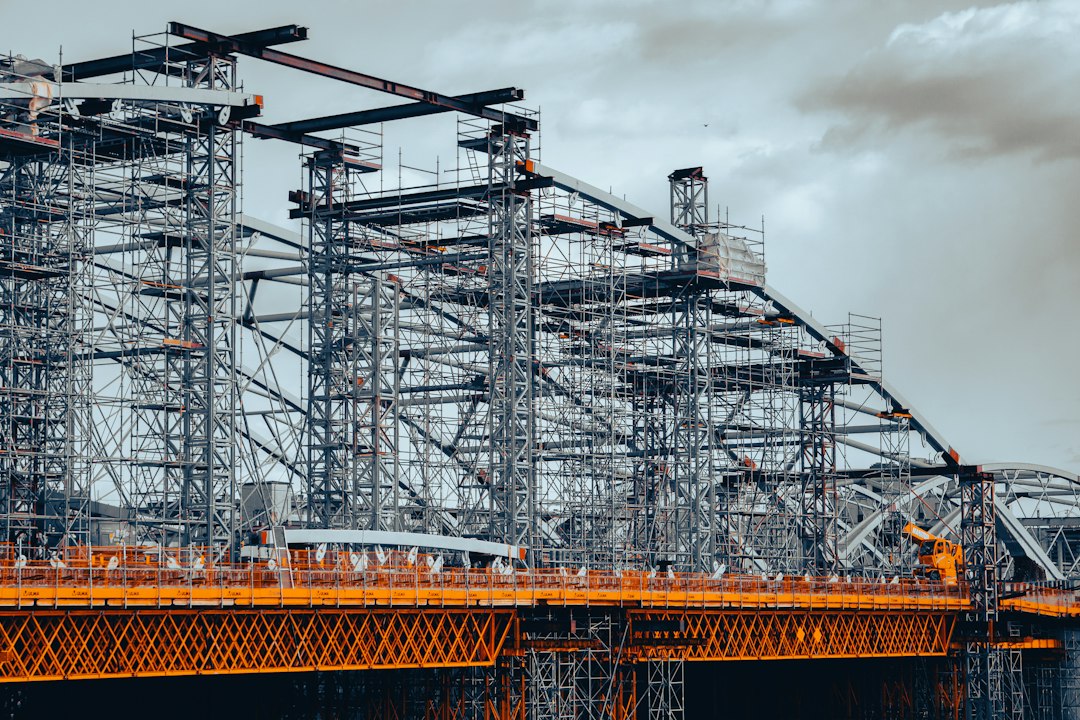
Deliberate Bridge Construction Training Needs Diversification
Your browser does not support the audio element.
By Chief Warrant Officer 4 Richard B. Wright, 412th Theater Engineer Command
An armored division races toward its objective until a single destroyed bridge brings the advance to a halt. As vehicles stack up along the riverbank, precious hours are lost waiting for a multi-role bridge company to arrive and emplace a crossing. In large-scale combat operations, that delay is more than an inconvenience; it is an opportunity for the enemy to mass fires, disrupt momentum, and turn a temporary obstacle into an operational defeat. If the Army is to maintain freedom of maneuver against a peer adversary, it must move beyond a bridging strategy that relies solely on tactical bridge assets and instead leverage fixed infrastructure, commercial bridging systems, and data-driven engineering solutions.
Reducing Operational Risk
Reducing the operational risk posed by damaged or low-capacity bridges requires greater cooperation across the engineer force. Engineer construction companies, not just multi-role bridge companies (MRBCs), should train to install overbridging on existing infrastructure. Maximizing fixed-bridge use preserves scarce tactical bridging assets for critical wet-gap crossings.
Rapid Assessment and Repair
The speed of a division's advance depends on the rapid assessment, repair, and employment of existing bridges. Engineer design teams must be prepared to quickly produce overbridging solutions when bridges require combat damage repair or increased military load classifications. Frequent bridge reconnaissance, including virtual reconnaissance and military load class assessment training, will improve data collection and technical proficiency. By continuously gathering bridge data in potential theaters of operation, engineers can provide designers the baseline information needed to rapidly develop overbridge solutions and sustain freedom of maneuver.
Leveraging Commercial Off-the-Shelf (COTS) Systems
Expanding training with commercially available off-the-shelf bridging systems would restore a proven capability that has been neglected in recent years. These systems offer a range of benefits, including:
- Rapid Deployment: COTS bridges can be deployed more quickly than custom-built solutions, enabling faster recovery from damage.
- Cost-Effectiveness: They are generally less expensive than traditional bridge construction, making them a more sustainable option for regular training and operational use.
- Flexibility: COTS systems can be adapted to a variety of bridge types and conditions, providing a versatile tool for engineers.
In conclusion, diversifying bridge construction training and embracing accessible COTS solutions will empower the Army to overcome future bridge-related challenges, ensuring it remains a formidable force in any operational environment.