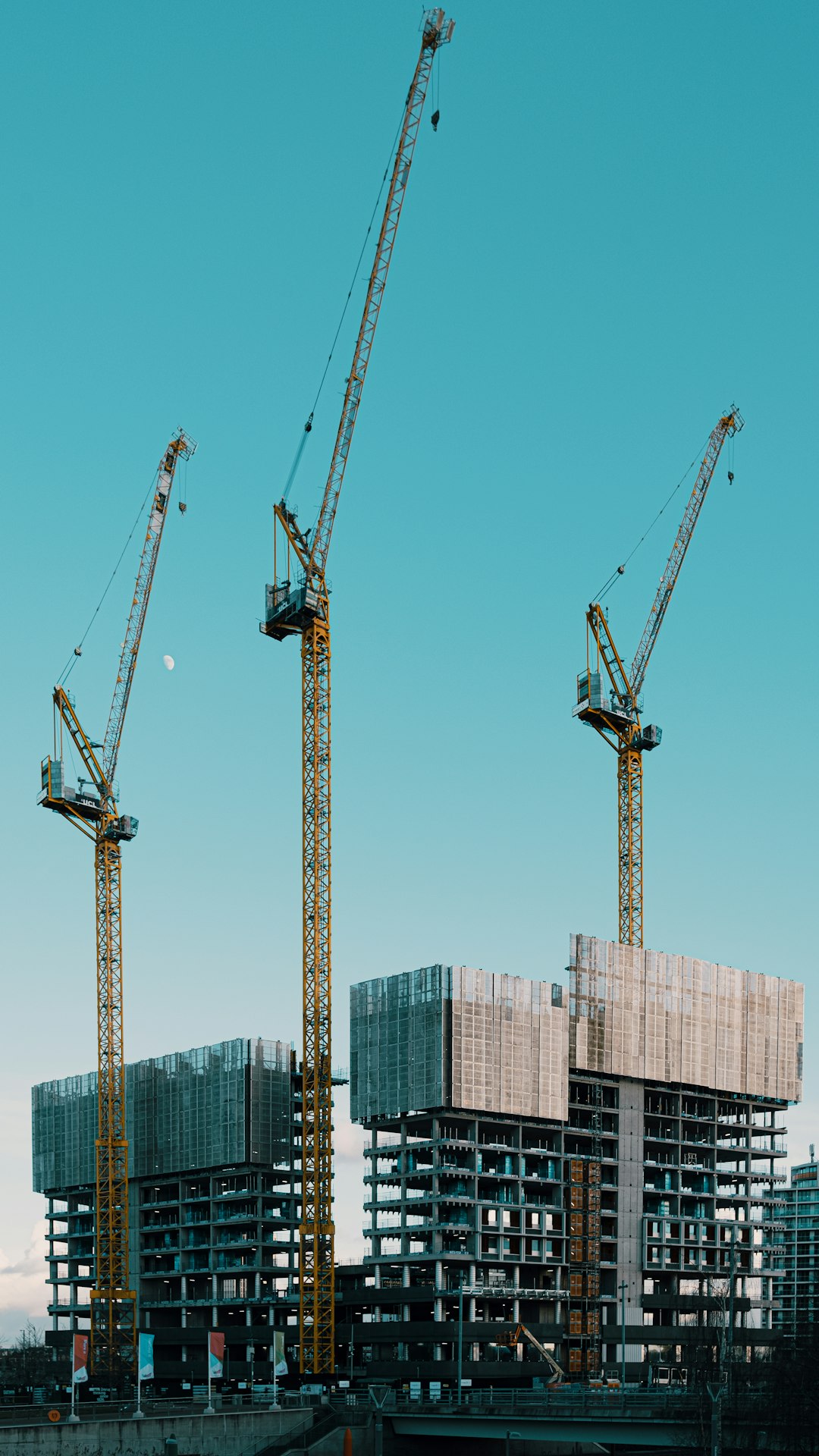
Americans' Need for Safe, Affordable, and High-Quality Buildings
Americans require safe, affordable, and high-quality buildings to flourish. From our homes to our workplaces, the state of our buildings significantly impacts our overall well-being. However, current construction methods often drive up building costs and limit the adoption of energy-efficient technologies.
Addressing Construction Challenges
Many U.S. construction companies are embracing new approaches by combining advanced off-site manufacturing of building components with streamlined installation processes. The U.S. Department of Energy’s Advanced Building Construction (ABC) Initiative, led by the Building Technologies Office (BTO), aims to enhance energy efficiency in new buildings and retrofits through highly productive construction practices.
Low Construction Productivity: A Major Obstacle
Building construction methods have largely remained unchanged over the past century. While other industries have embraced digitization and process improvements, U.S. construction productivity has been on a downward trend since 1968. A 2017 McKinsey Global Institute report attributed this to underinvestment in innovation, industry fragmentation, and a shortage of skilled labor.
This declining productivity directly leads to higher construction costs, exacerbating the affordable housing crisis. It also discourages building owners from investing in energy-efficient technologies, despite their long-term cost savings.
Transforming Construction with Advanced Techniques
Advanced building construction techniques, such as off-site manufacturing, robotics, and digitization, offer a way to streamline projects, reduce costs, and improve energy performance. These methods enable:
- Faster Completion: Off-site manufacturing allows for pre-fabricated components, reducing construction time on-site.
- Cost Efficiency: By minimizing labor and material waste, these techniques offer more affordable building solutions.
- Enhanced Energy Performance: Implementing energy-efficient technologies can significantly improve the overall performance and comfort of buildings.
Benefits for Existing Buildings
While the United States has over 125 million existing buildings, only a small fraction undergo energy-efficient retrofits each year. Advanced building construction techniques can make these retrofits more feasible, attracting building owners and occupants with their cost-effectiveness and improved performance.
Conclusion
Integrating improved construction productivity and building energy performance is crucial for providing Americans with high-quality housing and workplaces. Recent advancements in manufacturing, fabrication, and materials offer a promising path forward for the U.S. construction industry.